


How Lobio Was Born – History and Tradition
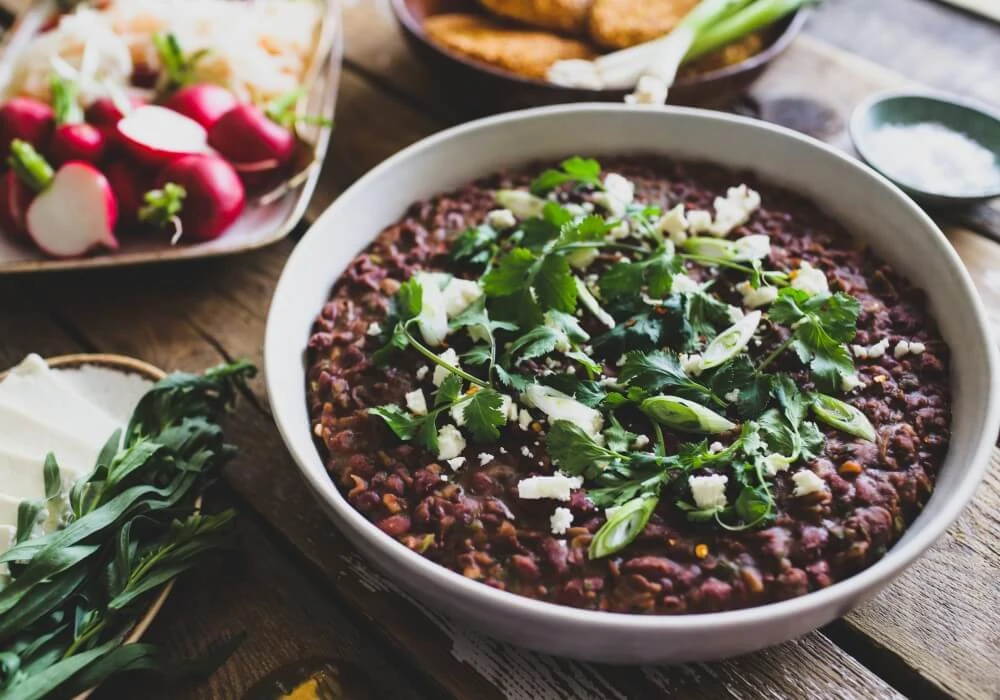
The History of Lobio – Traditional Georgian Bean Dish
Lobio is one of the most iconic dishes of Georgian cuisine, beloved for its simplicity, versatility, and rich flavors. Its origins date back centuries, rooted in the agricultural traditions of Georgia, where beans were a staple food for families across the region. The name “Lobio” comes from the Georgian word for beans, reflecting the dish’s central ingredient.Traditionally, lobio was made using locally grown red, white, or speckled beans, cooked slowly with fresh herbs, garlic, and sometimes walnuts. It was a hearty and nutritious dish, perfect for both daily meals and festive gatherings. Over time, regional variations of lobio emerged, with each area of Georgia adding its unique touch—some versions are served hot as a stew, while others are mashed and served cold, often with fresh herbs and spices.
Lobio has always been a symbol of Georgian hospitality. In rural households, it was common to prepare large quantities for family and guests, served with traditional bread such as shotis puri or lavash. The dish’s enduring popularity stems from its adaptability and the way it showcases the natural flavors of beans and herbs.
Today, lobio remains a cornerstone of Georgian cuisine, celebrated in homes and restaurants alike. It embodies the country’s love for simple, wholesome ingredients, transformed into dishes that are both nourishing and deeply satisfying. Whether served hot or cold, lobio offers a delicious taste of Georgia’s culinary heritage and centuries-old cooking traditions.
Planning to visit Georgia and try traditional Lobio?
Discover the best local food experiences with our guided tours.