


How Mukuzani Was Born – History and Tradition
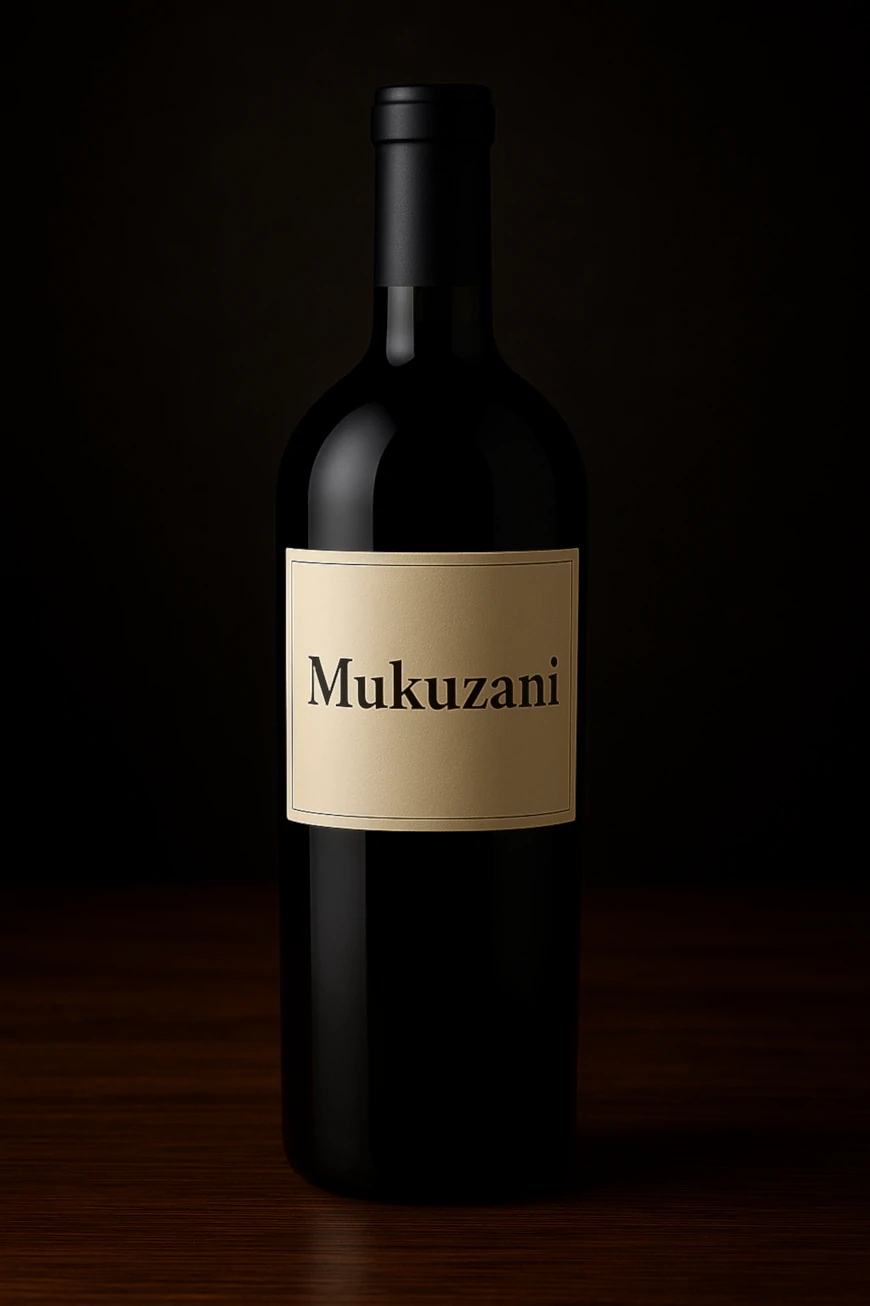
Mukuzani – History and Origin of Georgia’s Iconic Dry Red Wine
Mukuzani is one of Georgia’s most distinguished and beloved dry red wines, produced exclusively from the Saperavi grape in the famed Mukuzani microzone of Kakheti. Known for its rich structure, deep color, and long aging potential, Mukuzani has become a symbol of high-quality Georgian winemaking.
Where Mukuzani Was Born – The Microzone
Mukuzani originates from a small but historically significant area in Gurjaani Municipality, in eastern Georgia. The Mukuzani microzone is located on the foothills of the Tsiv-Gombori mountain range, providing an ideal climate for growing Saperavi grapes:
Hot, sunny summers
Mild winters
Mineral-rich soils
Perfect elevation for grape maturity
These natural conditions create a powerful, elegant wine unlike any other Saperavi-based variety.
The History of Mukuzani
The production of Mukuzani dates back to the late 19th century, when Georgian winemakers began exploring new techniques for elevating Saperavi wines. Unlike traditional Saperavi wines, which were often made in qvevri, Mukuzani became known for its oak barrel aging, giving it a refined, European-style character while still preserving Georgian authenticity.
By the early 20th century, Mukuzani had become a prestigious wine served at official events, royal banquets, and international exhibitions. Its reputation continued to grow, and today it is one of the most awarded Georgian wines on the global market.
Mukuzani Today
Today, Mukuzani remains one of Georgia’s flagship wines. It is highly valued by wine collectors, praised by sommeliers, and recognized for its exceptional quality worldwide. Many premium Georgian wineries specialize in crafting high-end Mukuzani using both traditional and modern winemaking techniques.
Planning to visit Georgia and taste traditional Mukuzani wine?
Discover the best wine experiences and guided tours across Georgia.