


How Chaqapuli Was Born – History and Tradition
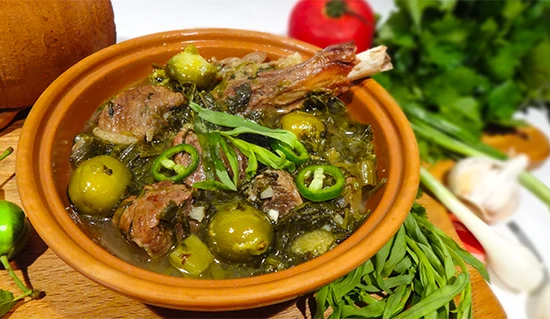
The Origin Story of Chaqapuli – Georgia’s Iconic Springtime Dish
Chaqapuli is one of the most beloved and emblematic dishes of Georgian cuisine. Its origins date back centuries, deeply connected to the country’s pastoral traditions and the celebration of spring. The dish was created as a seasonal stew, prepared at the time when fresh herbs, young greens, and tender lamb were at their best quality.Traditionally, Georgian shepherds and rural families prepared Chaqapuli during the spring and early summer, when tarragon, green plums (tkemali), and wild herbs grew in abundance. These ingredients were not only flavorful but also believed to awaken the body after long, harsh winters. The natural acidity of green plums tenderized the meat, creating a bright, aromatic stew unlike anything found in neighboring cuisines.
Over generations, Chaqapuli became a symbol of renewal and festivity. Families cooked it for Easter, spring picnics, and the first outdoor gatherings of the year. Its vibrant flavor — a mix of sour plums, fresh tarragon, white wine, and soft lamb — represents the freshness and spirit of Georgian terroir.
Today, Chaqapuli is celebrated both in homes and restaurants as a national treasure. It captures the essence of Georgian culinary heritage: simple local ingredients transformed into a deeply comforting and aromatic dish. Whether enjoyed with lamb or beef, Chaqapuli remains one of the purest expressions of Georgia’s seasonal cooking and timeless traditions.
Planning to visit Georgia and try authentic Chaqapuli?
Discover the best local food experiences with our guided tours.