


How Mchadi Was Born – History and Tradition
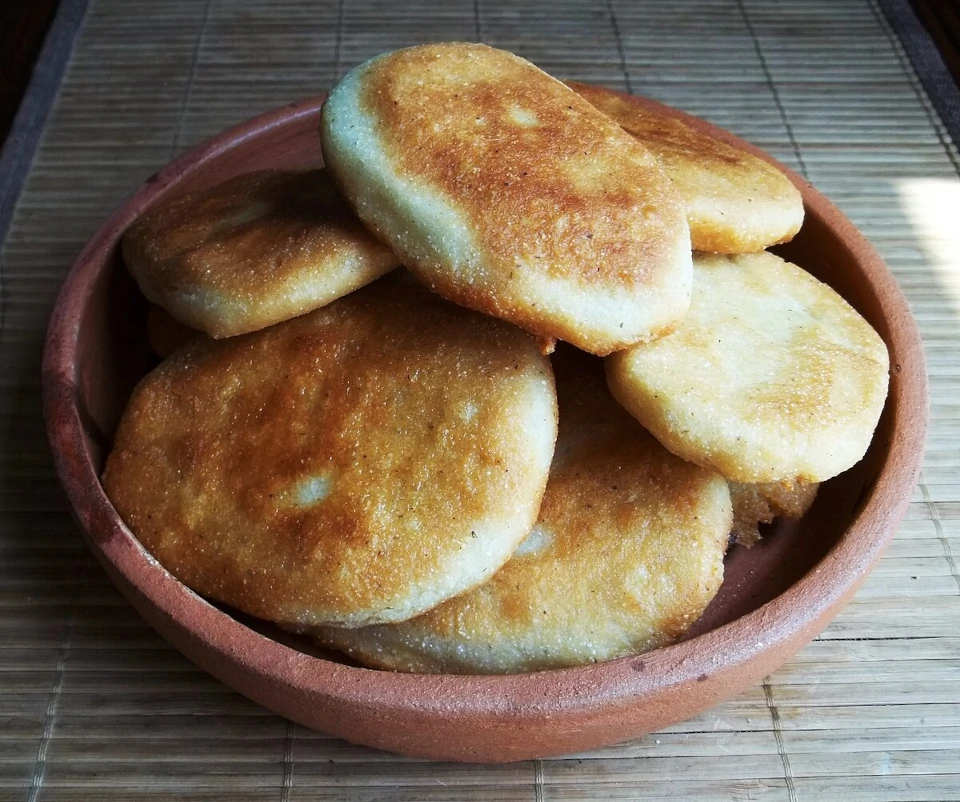
History of Mchadi – Traditional Georgian Cornbread
Mchadi is a traditional Georgian cornbread with a history rooted in rural Georgian culture. After corn was introduced to Georgia in the 17th century, Mchadi became a staple food in Kakheti, Samegrelo, and Guria, valued for its simplicity and nourishing qualities.
Origins of Mchadi
Mchadi comes from Georgia’s old village traditions, where farmers prepared it using only cornmeal, water, and salt. Cooked on a clay pan called a ketsi, Mchadi developed a natural smoky flavor and a crisp, golden crust. It was popular among travelers and shepherds thanks to its long shelf life and easy preparation.
Cultural Importance
For centuries, Mchadi has been served with classic Georgian foods such as:
Sulguni cheese
Lobio (bean stew)
Gebjalia
Matsoni
Ajika
In western Georgia, especially in Samegrelo, Mchadi is strongly tied to local cuisine and is a daily complement to spicy dishes.
Traditional Preparation
Authentic Mchadi is made from coarse natural cornmeal. The dough is shaped by hand and slowly cooked on a hot ketsi or pan, creating a crisp outside and soft interior.
Mchadi Today
Today, Mchadi remains an essential part of Georgian cuisine and is served in restaurants, homes, and food tours. Modern chefs also create updated versions with herbs or cheese, though the traditional recipe remains most popular.
Planning to visit Georgia and try traditional Mchadi?
Discover the best local food experiences with our guided tours.
Preparation Method
How to Prepare Mchadi – Traditional Georgian Cornbread Recipe
Mchadi is one of the simplest and most authentic breads in Georgian cuisine, made from just a few natural ingredients. Its traditional preparation method has remained unchanged for centuries.
Ingredients
2 cups cornmeal
Warm water
A pinch of salt
(Optional: a little oil for a softer texture)
Preparation Steps
Mix the dough
Combine cornmeal and salt in a bowl. Gradually add warm water and mix until you get a firm, smooth dough that holds its shape.Shape the Mchadi
Form small, round or oval patties with your hands. The dough should not be too soft; classic Mchadi is firm and rustic.Heat the pan
Preheat a ketsi (clay pan) or a regular non-stick pan. Traditionally, Mchadi is cooked without oil, but a light brush of oil can be used.Cook slowly
Place the patties on medium heat. Cook for 5–7 minutes on each side until a golden crust forms.
For authentic flavor, cover the pan slightly to let the inside cook evenly.Serve warm
Mchadi is best enjoyed hot with Sulguni cheese, Lobio, Matsoni, or spicy ajika.